
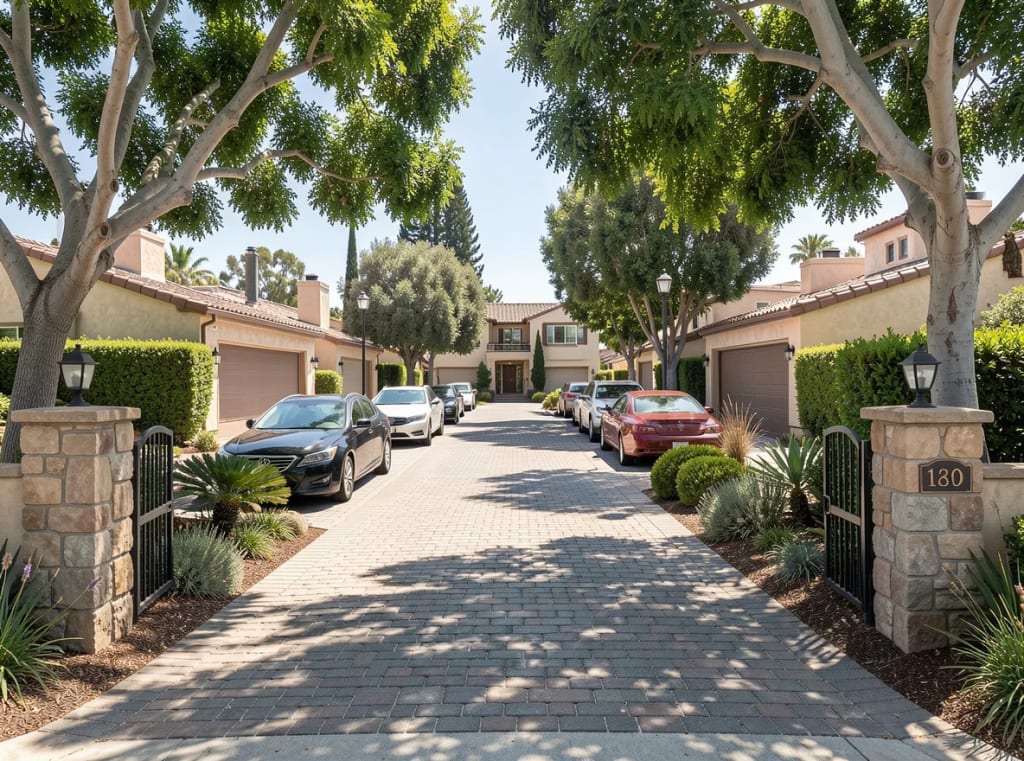
7 Los Angeles Neighborhood Clues First-Time Buyers Should Spot Before Touring
7 Los Angeles Neighborhood Clues First-Time Buyers Should Spot Before Touring
Buying your first place in Los Angeles can feel like speed-dating an entire region. One block may whisper classic charm, while the next shouts redevelopment, traffic pressure, or hidden opportunity. Before you fall for a pretty kitchen or a trendy listing photo set, it helps to read the neighborhood itself. The smartest first-time buyers don’t just tour homes—they tour patterns, pace, and lifestyle fit.
In a city as layered as LA, the street around the property often tells you as much as the property does. Side streets, parking conditions, lot upkeep, school pickup activity, park usage, and even how people move through the area all offer useful signals. With guidance from a locally focused team like Select Living Realty Group, buyers can learn to notice what matters early and filter out distractions that don’t affect long-term satisfaction or resale value.
1. Watch the Parking Situation Like a Local
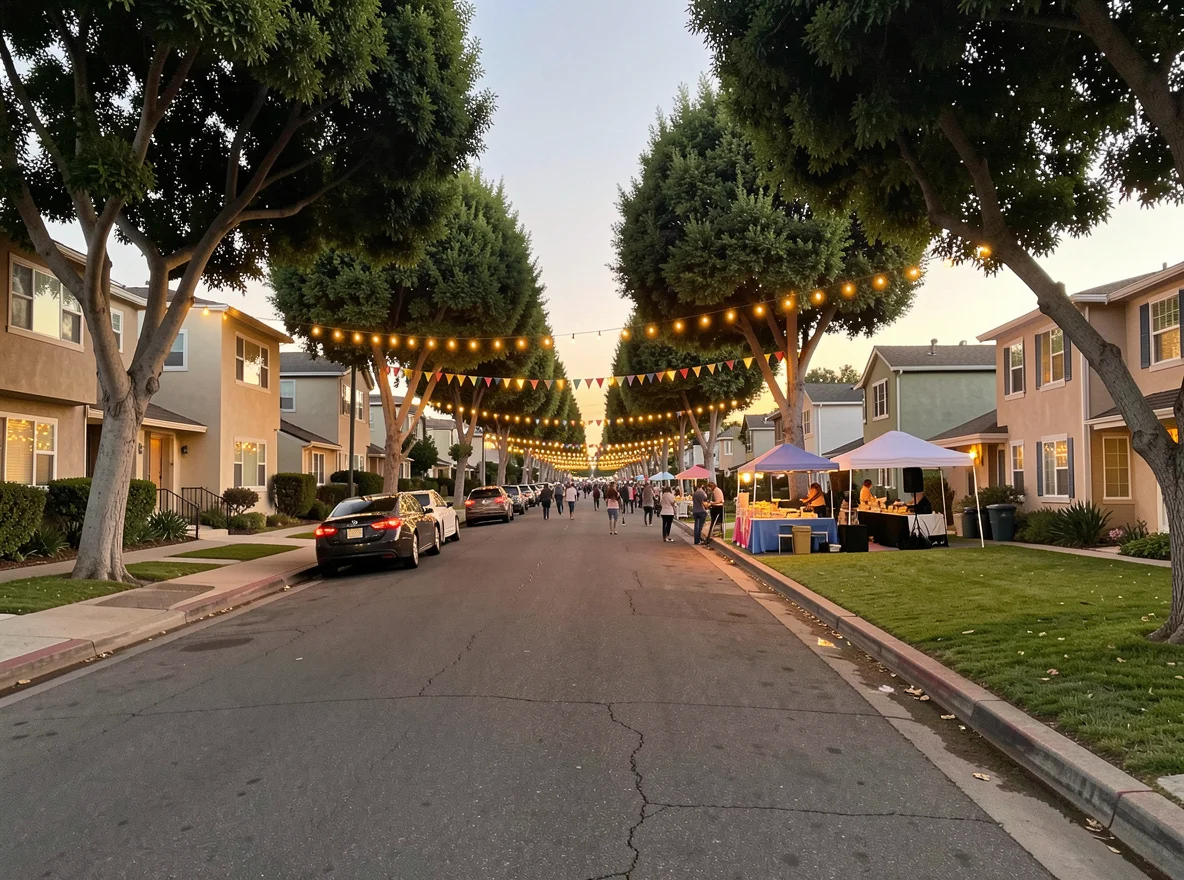
Parking stress is a lifestyle clue, not just an inconvenience. If every curb is packed by mid-afternoon, if permit signs dominate the block, or if neighboring streets feel like a nightly scavenger hunt, pay attention. For buyers moving from less dense areas, the day-to-day impact can be bigger than expected—especially if the home has only one space or relies on street parking for guests.
Try visiting at more than one time of day. A street that feels calm at 11 a.m. may become a completely different environment after work hours. Near popular commercial corridors, entertainment zones, or multifamily-heavy pockets, competition for curb space can shape everything from grocery runs to hosting friends. In Los Angeles, convenience often translates directly into quality of life.
Parking patterns can also hint at the future resale audience. A first-time buyer may accept some compromise, but the next buyer may not. If a neighborhood is desirable yet chronically parking-constrained, that can still work—provided the home’s price, layout, and location compensate for it.
2. Notice the Mix of Homes on the Block
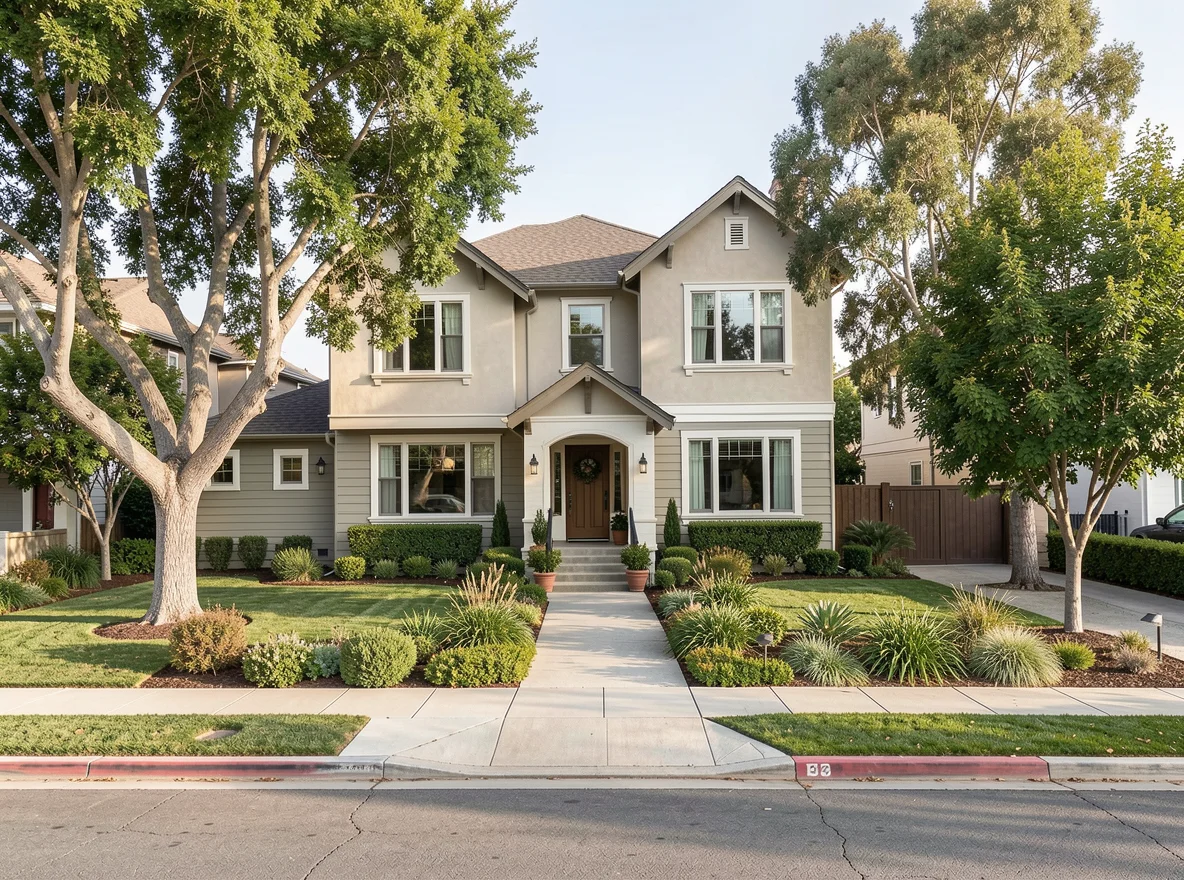
A street with well-kept bungalows, duplexes, newer small-lot builds, and renovated Spanish-style houses can tell a rich story about demand and transition. That mix often means buyers with different budgets and life stages are competing for space, which may support future value. On the other hand, a block with highly uneven maintenance can suggest a street still finding its footing.
Look beyond whether the homes are “cute.” Ask what the mix means. Are there signs of thoughtful reinvestment, like new landscaping, repaired roofs, and updated windows? Or does it feel like a patchwork of quick cosmetic changes without deeper care? First-time buyers benefit from learning the difference between a neighborhood improving steadily and one where appearances are covering broader issues.
In Los Angeles, architectural variety is common and often appealing. What matters most is whether the area feels cohesive in upkeep, safe in activity, and stable in identity. The team-based support available through Select Living Realty Group can help buyers interpret those subtle block-by-block differences with more confidence.
3. Check How Walkable the Daily Routine Really Is
Many listings use “walkable” generously. Instead of relying on the description, test the rhythm of the area for yourself. Can you comfortably walk to coffee, groceries, a park, or a casual dinner without navigating unpleasant intersections or long dead stretches? A neighborhood that supports small daily errands often feels more livable, even if the home itself is modest.
This matters especially for first-time buyers balancing budget and lifestyle. A slightly smaller condo in a genuinely usable location may outperform a larger home in an area where every errand requires a car. Over time, access to routines—morning walks, quick takeout, green space, community gathering spots—can shape how happy you feel in the home.
Also note whether the walkability feels practical or just aspirational. Steep hills, heavy traffic corridors, limited shade, or disconnected sidewalks can change the equation. In Los Angeles, micro-location matters enormously; one side of a neighborhood may feel easy and connected while another feels isolated.
4. Pay Attention to Schools Even If You Don’t Have Kids
School presence influences more than enrollment decisions. Well-regarded public schools, active drop-off patterns, and nearby family-oriented amenities often reflect neighborhood stability and broad buyer appeal. Even if children aren’t part of your immediate plan, schools can affect resale strength, traffic flow, and the general rhythm of the area.
Spend a few minutes observing weekday movement if you can. Are sidewalks active in the morning? Do nearby parks and recreation spaces seem used and maintained? Are there signs of long-term residents investing in the block? These details can suggest community rootedness, which many buyers value when comparing similar price points.
For first-time buyers, the key is not assuming schools matter only to families. In competitive California markets, homes in areas with stronger school reputations often attract wider demand. That broader appeal can be a meaningful advantage later.
5. Read the Recreation and Amenity Pattern
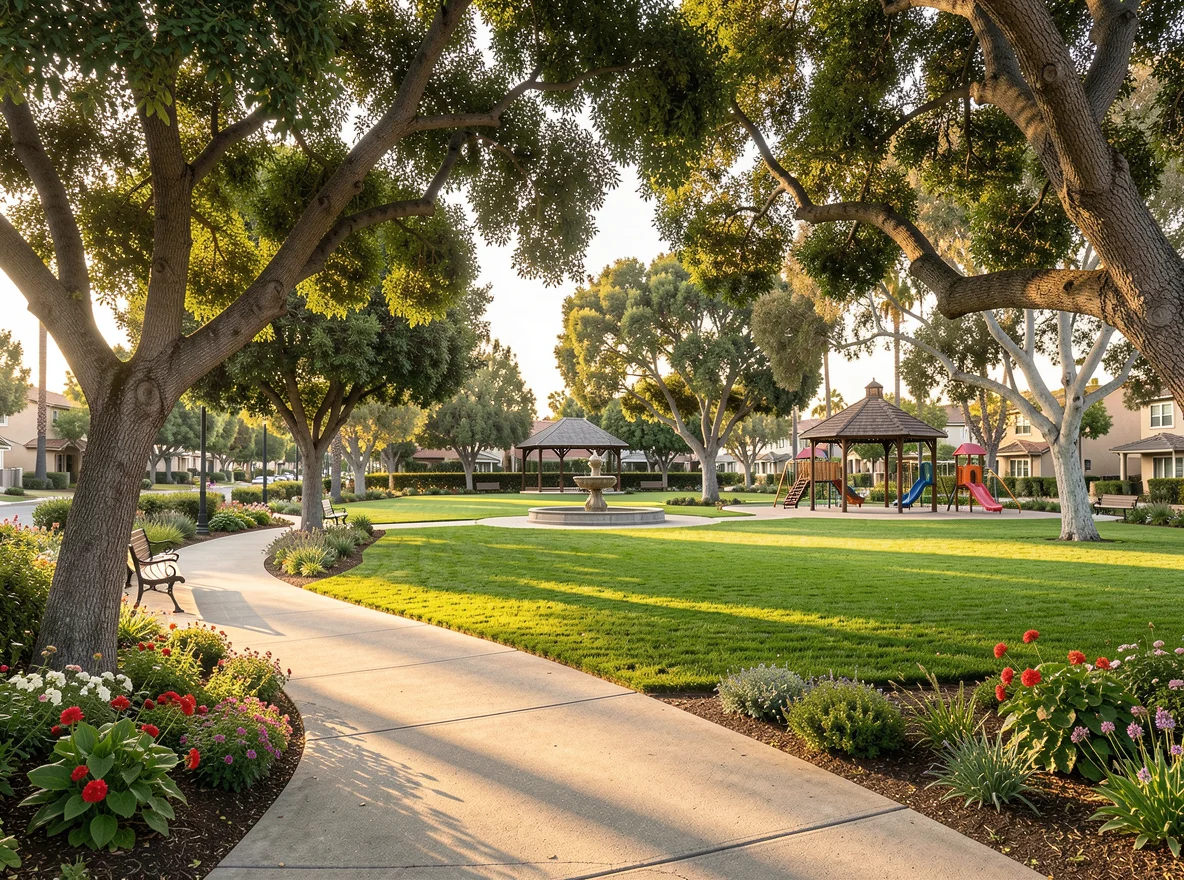
Every buyer says they want amenities nearby, but not all amenities support the same lifestyle. One area may be ideal for people who want fitness studios, evening energy, and quick access to dining. Another may feel quieter, with better parks, neighborhood green space, and a more residential pace. Neither is inherently better—the question is whether it matches your real habits.
Think in terms of weekly life. Where would you go on a Saturday morning? Is there easy access to trails, open space, or outdoor recreation? Does the neighborhood support spontaneous plans, or does everything require a drive and careful parking strategy? In Los Angeles, the right fit usually comes from aligning your routine with the area’s natural rhythm rather than chasing a generic “hot neighborhood” label.
Dining and social energy matter too, but so does balance. If a block is close enough to enjoy local favorites yet far enough to avoid late-night noise and spillover congestion, that can be a sweet spot for first-time buyers who want both convenience and calm.
6. Spot Signs of Infrastructure and Upkeep
Look down as much as you look around. Sidewalk condition, curbs, street trees, drainage, alley cleanliness, and road wear all offer clues about daily maintenance and municipal feel. While no city block is perfect, consistent neglect can hint at frustrations that won’t show up in listing photos.
Private upkeep matters just as much. Are neighboring properties maintained with pride? Do fences, entryways, and landscaping feel cared for? When several owners on a street keep up their homes, it often creates a stronger sense of neighborhood identity. That can influence both comfort and value over time.
These practical observations are especially useful in the starter-home segment, where buyers may be stretching financially. A tailored approach to touring—something Select Living Realty Group emphasizes—can help first-time buyers focus on the hidden cost signals that matter most before making an offer.
7. Listen for the Pace, Not Just the Noise
Most buyers remember to check whether a street is loud. Fewer pay attention to what kind of activity creates that sound. Is it freeway hum, nightlife traffic, school movement, delivery routes, leaf blowers, or a lively but healthy neighborhood pulse? The answer changes how the area feels morning, noon, and night.
Stand still for a few minutes before and after your tour. Notice how quickly cars move. Watch whether people seem comfortable walking pets, pushing strollers, or chatting outside. The goal is to understand the neighborhood’s pace. Some first-time buyers thrive in energetic, always-on pockets of Los Angeles. Others discover they want a calmer residential feel once the excitement of the search wears off.
Ultimately, the best clue is consistency between the home and the life you want to build there. A beautiful property can lose its shine if the block doesn’t fit your routine. By learning to spot these seven neighborhood signals before touring seriously, you’ll shop with sharper instincts, ask better questions, and make decisions with less guesswork. In a market as dynamic as Los Angeles, that kind of clarity is a real advantage.