How Los Angeles ZIP Codes Shape Home Value Beyond Square Footage
Why One Los Angeles ZIP Code Can Add Thousands to a Home’s Value
Square footage matters, but in Los Angeles, the ZIP code on a listing can influence price just as much as the number of bedrooms or the size of the lot. Two homes with similar layouts can land in very different price brackets simply because they sit on opposite sides of a boundary buyers know carries a certain reputation, commute pattern, school access, or lifestyle identity. That is the reality of a region where neighborhood perception, convenience, and long-term desirability shape demand in very visible ways.
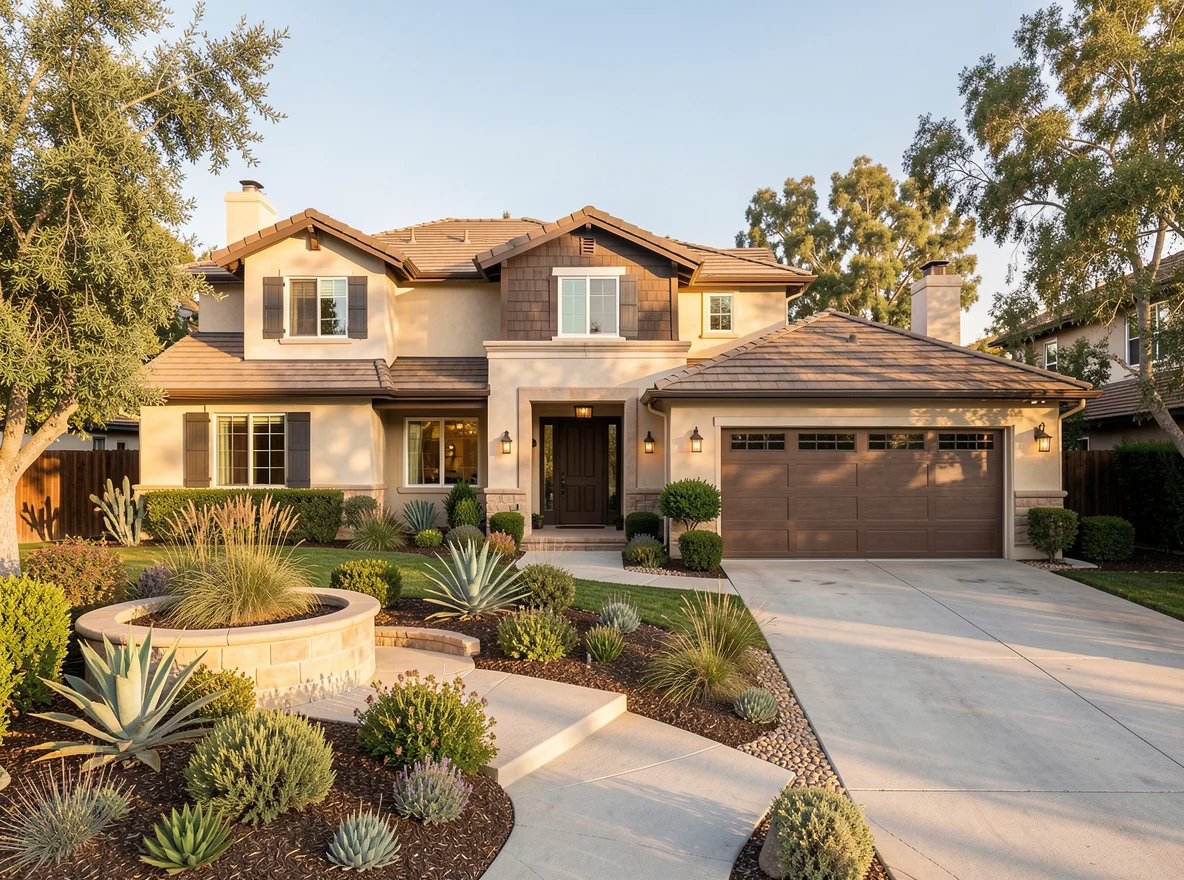
In a city this large, ZIP codes become shorthand for lifestyle. Buyers are not just choosing walls and finishes; they are buying into routines. One area may offer quick access to employment centers, another may be prized for tree-lined residential blocks, and another may command attention because it blends prestige with walkable daily life. Even when the homes themselves look comparable on paper, the surrounding experience changes how buyers calculate value.
That premium often shows up in subtle ways before a buyer ever visits a property. Search filters, saved alerts, and casual browsing habits already sort neighborhoods into mental categories: aspirational, practical, emerging, established, family-oriented, or investment-friendly. In Los Angeles, those categories can be incredibly powerful. A home in a ZIP code associated with strong resale demand or a recognizable neighborhood identity often attracts more attention faster, creating competition that pushes pricing beyond what square footage alone would predict.
Commute logic is another major force. In a metro area where travel time can shape quality of life, proximity to major corridors, business districts, studios, coastal access, or transit options can add measurable value. Buyers frequently pay more for a location that reduces friction in everyday life. A slightly smaller home in a better-positioned ZIP code may feel more valuable than a larger property that adds twenty stressful minutes to every morning and evening.
Lifestyle Signals Carry Real Pricing Power
Los Angeles buyers are especially sensitive to neighborhood atmosphere. They notice whether a street feels established, whether the nearby public spaces are inviting, and whether the local rhythm supports the life they want to build. This is why home value in one ZIP code can reflect more than housing stock. It may also reflect access to recreation, wellness culture, entertainment, boutique services, outdoor dining patterns, or a sense of privacy that is difficult to duplicate elsewhere.
Schools also influence pricing, even among buyers without school-age children. Well-regarded educational options can strengthen long-term resale confidence, broaden the buyer pool, and create a perception of stability. In practical terms, that means homes in certain ZIP codes may hold value better in changing markets because demand is supported by more than one buyer type. Families, move-up buyers, and investors may all compete in the same pocket, which can sustain pricing momentum.

Dining and entertainment proximity matter too, though not in a simple one-size-fits-all way. Some buyers want energy and convenience close at hand. Others are paying for a quieter feel with selective access to cultural amenities. The point is not whether one preference is better; it is that ZIP codes often package these traits differently, and the market rewards the packages buyers want most. A home’s surroundings can elevate the emotional response to a listing, which is often where stronger offers begin.
For sellers, this creates an important opportunity. Marketing should not stop at interior upgrades or lot size. The strongest listing strategy explains the value of the ZIP code itself: what daily life feels like, why demand persists, and how the location compares with nearby alternatives. That kind of positioning helps buyers understand why a property is priced where it is, especially when they are comparing several neighborhoods at once.
For buyers, the lesson is equally important. Looking only at price per square foot can be misleading in Los Angeles. That metric is useful, but it does not capture intangible value drivers like status, convenience, neighborhood trajectory, or buyer competition. A lower price per square foot in one ZIP code is not automatically a better deal if resale demand is thinner or if the lifestyle fit is weaker for the next group of buyers.
What This Means for Buying and Selling Strategy
The smartest approach is to evaluate homes through both a property lens and a location lens. Start with the basics: condition, layout, lot utility, natural light, parking, and potential updates. Then step back and assess the ZIP code’s role in the bigger picture. Is it known for stable demand? Is it attracting renovation activity? Does it offer an identity that buyers actively search for? Are there amenities, schools, or access points that make the area more resilient during shifts in the market?
In many cases, real estate success comes from recognizing where a premium is justified and where it may be overstated. That takes local fluency, especially in a market where micro-neighborhood distinctions can change pricing dramatically within a short drive. A team that understands California buying and selling patterns can help clients avoid overgeneralizing and instead focus on the specific dynamics that move value in each pocket of Los Angeles.
Select Living Realty Group approaches that process with tailored client support and a team-based model, which can be especially useful in a layered market like this one. Buyers benefit from guidance that connects lifestyle priorities to pricing realities, while sellers gain from positioning that highlights both the home and the neighborhood story. When multiple professionals contribute local perspective under one brand, clients are often better equipped to make clear decisions in a fast-moving environment.
Ultimately, Los Angeles ZIP codes shape home value because they represent much more than a mailing label. They signal identity, access, demand, and future appeal. If you are planning to buy or sell, understanding those signals can help you price more intelligently, search more strategically, and see value where others may only see square footage.